
Future(s) of Engineering Biology
Client
University of Bristol, https://engbio-cdt.org/projects/rri/
Brief
Collaborate with PhD researchers from the Universities of Bristol and Oxford, along with sixth-form students from Bristol Cathedral Choir School, to explore the future impacts of Engineering Biology through speculative artworks.
Using games and creative prompts across two workshops, participants imagined what life in Bristol could look like 20, 50, or even 100 years from now, and how innovations in bioengineering might transform healthcare, the environment, and everyday life. The games also helped researchers explain their work without jargon, making complex ideas more accessible.
From the workshop materials, I created eight “materials from the future” that were exhibited at the FUTURES Festival (We The Curious) to spark dialogue between researchers, young people, and the public about the societal choices and ethical questions shaping our future with Engineering Biology.
Photography by Giulia Spadafora
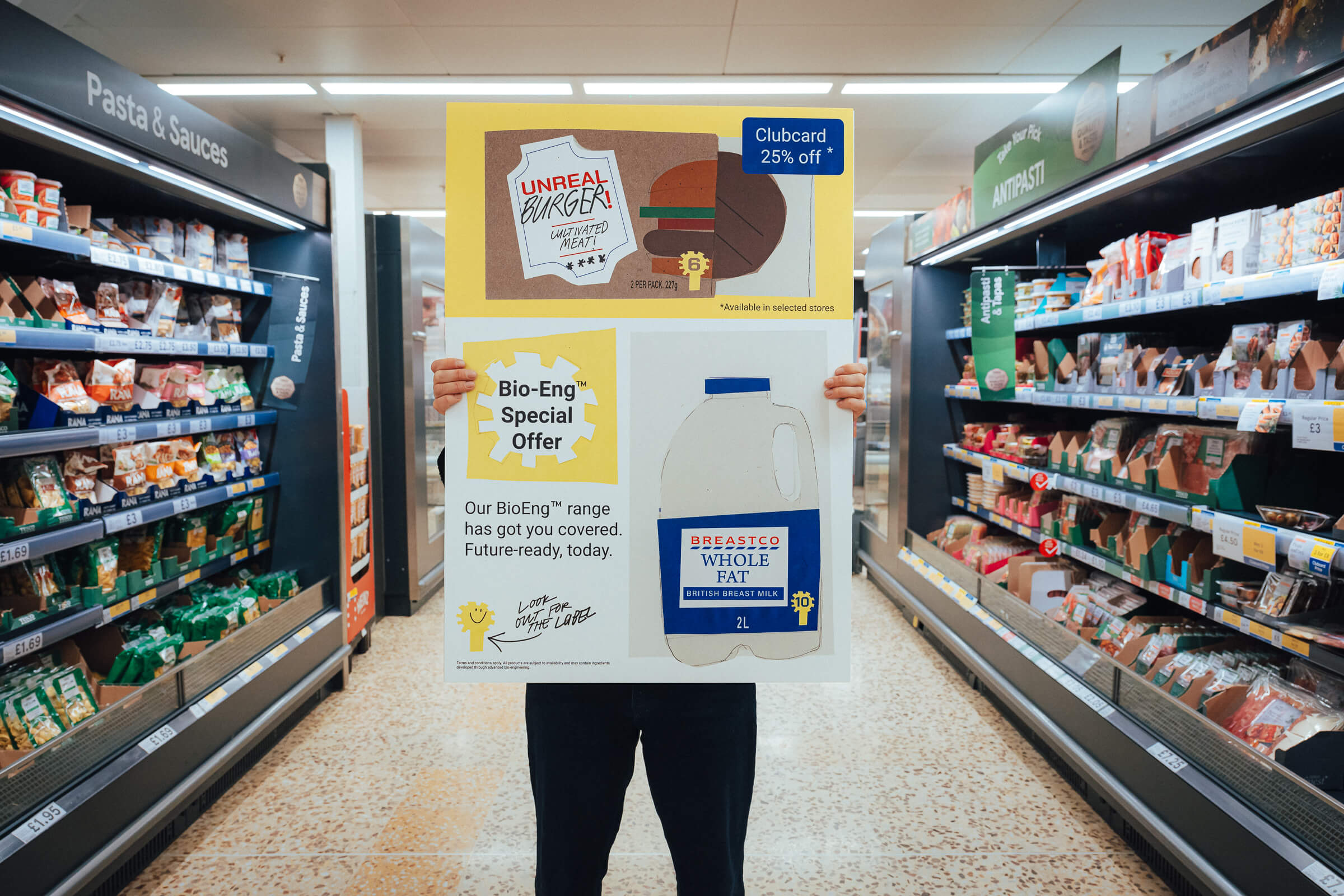
Bio-engineered Food
This speculative supermarket advert imagines a near future where bioengineered foods such as the “Unreal Burger” and lab-grown human milk are everyday products. Inspired by real advances in cellular agriculture and companies developing sustainable alternatives to meat and dairy, these innovations could reduce animal suffering and cut emissions. Yet they may also disrupt farming livelihoods and cultural traditions, raising questions about whether lab-grown food brings us closer to nature or further from it.
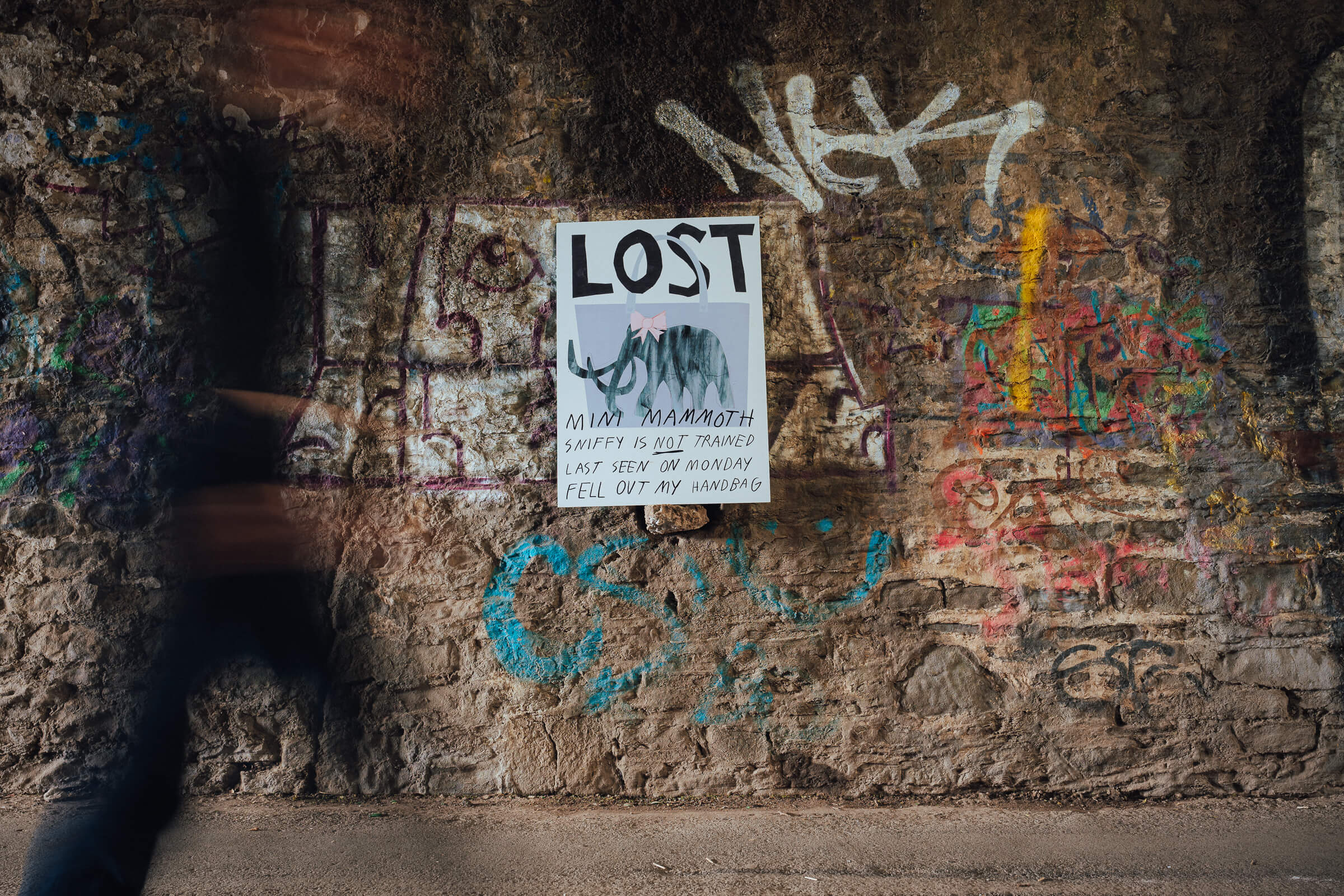
De-extinction
This lost poster for “Sniffy,” a pet mini Woolly Mammoth missing in Bristol in 2085, imagines a future where genetic engineering has enabled the return of extinct species. Following successful reintroductions of full-sized mammoths to arctic regions to help slow permafrost melting, bioengineers created dwarf versions as companions. While de-extinction efforts are underway today - such as bringing back traits from mammoths, dire wolves, and dodos - significant challenges remain, including whether these species can thrive in drastically changed habitats or become mere curiosities.
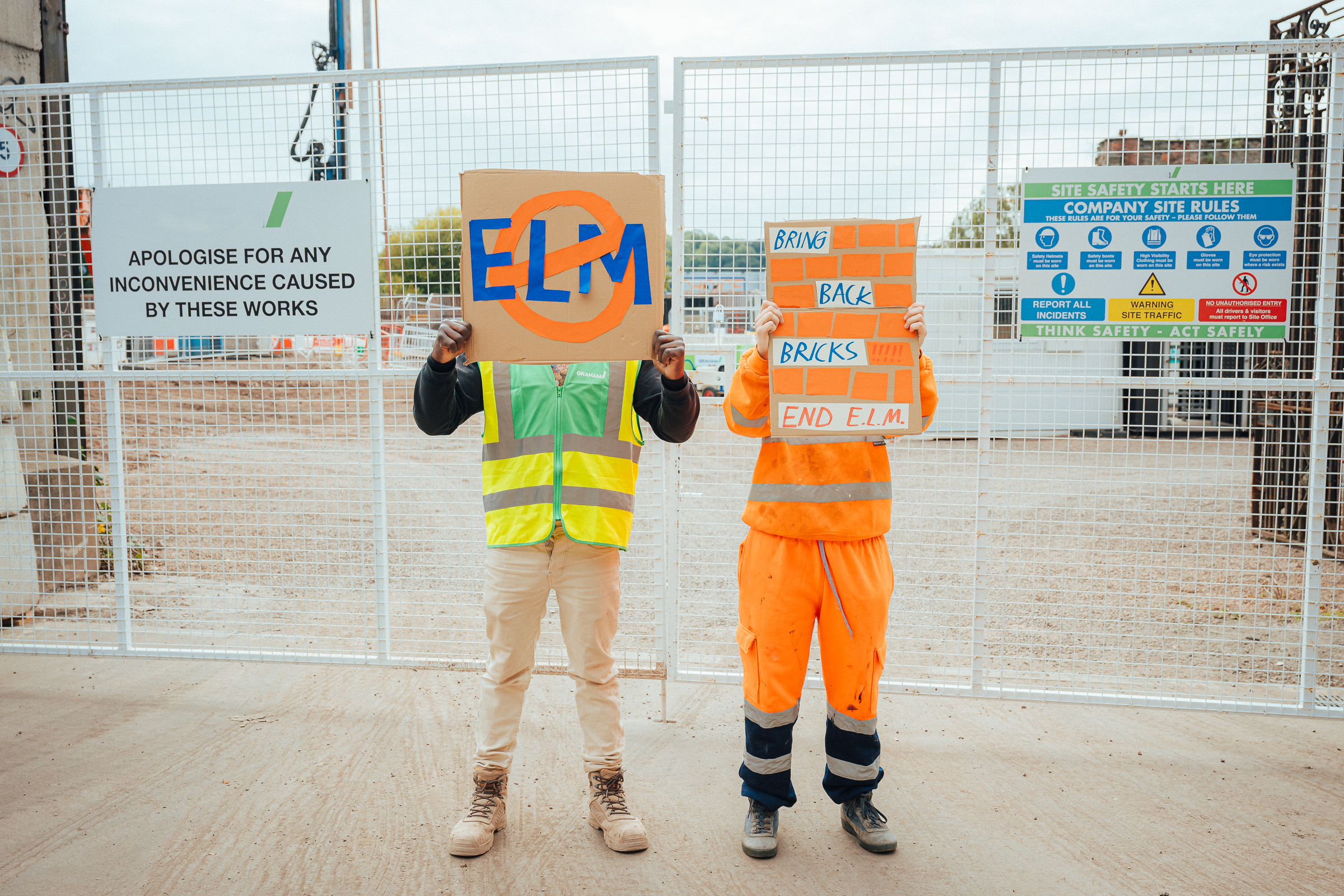 Engineered Living Materials
These protest posters from the Bristol Riots in 2057 imagine tensions rising as engineered living materials replace traditional bricks, increasing sustainability but displacing construction workers. Innovations such as mycelium composites and self-healing concrete promise regenerative, low-carbon cities built from living materials. While environmentally transformative, they raise urgent questions about jobs, fairness, and who benefits from technological change.
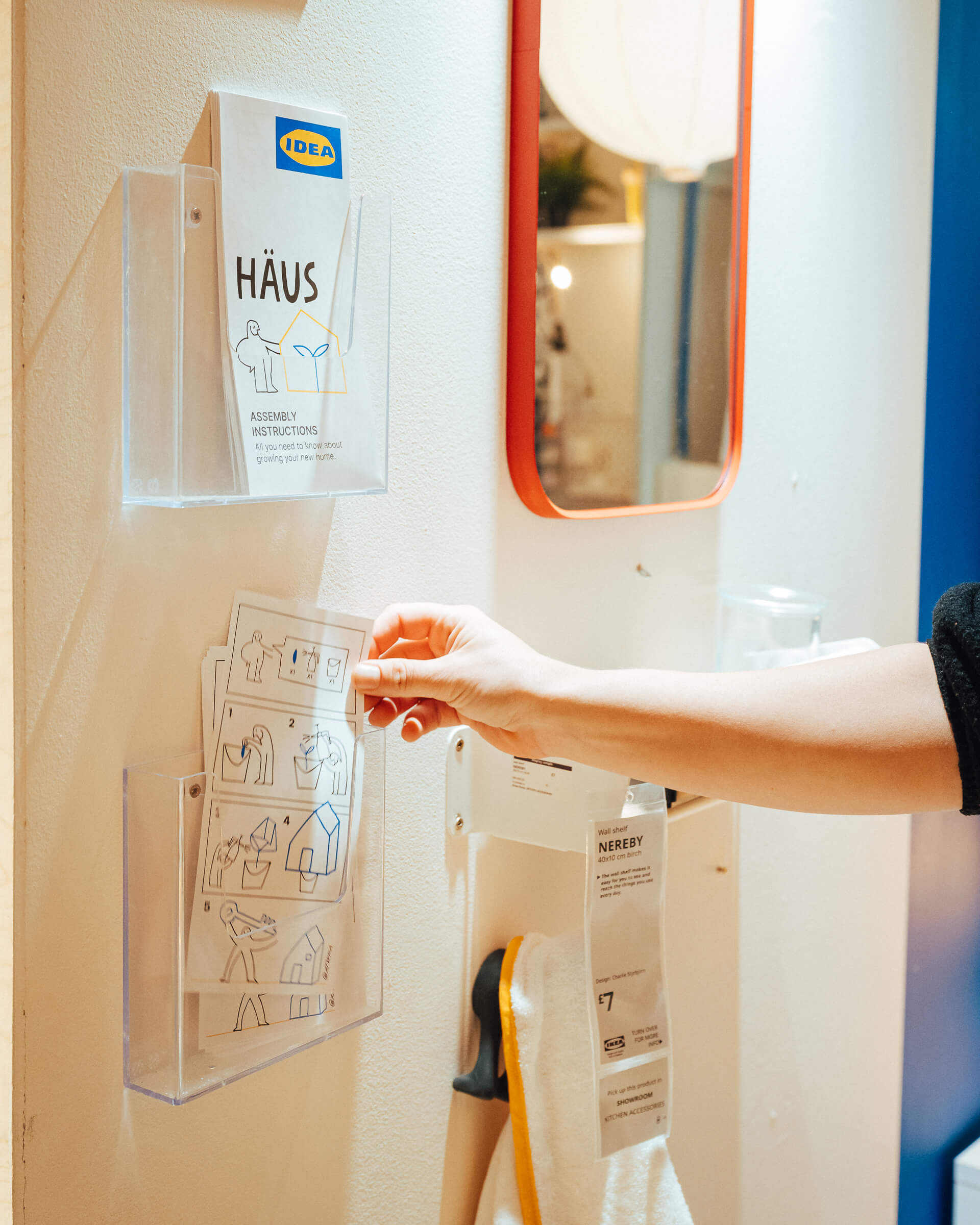
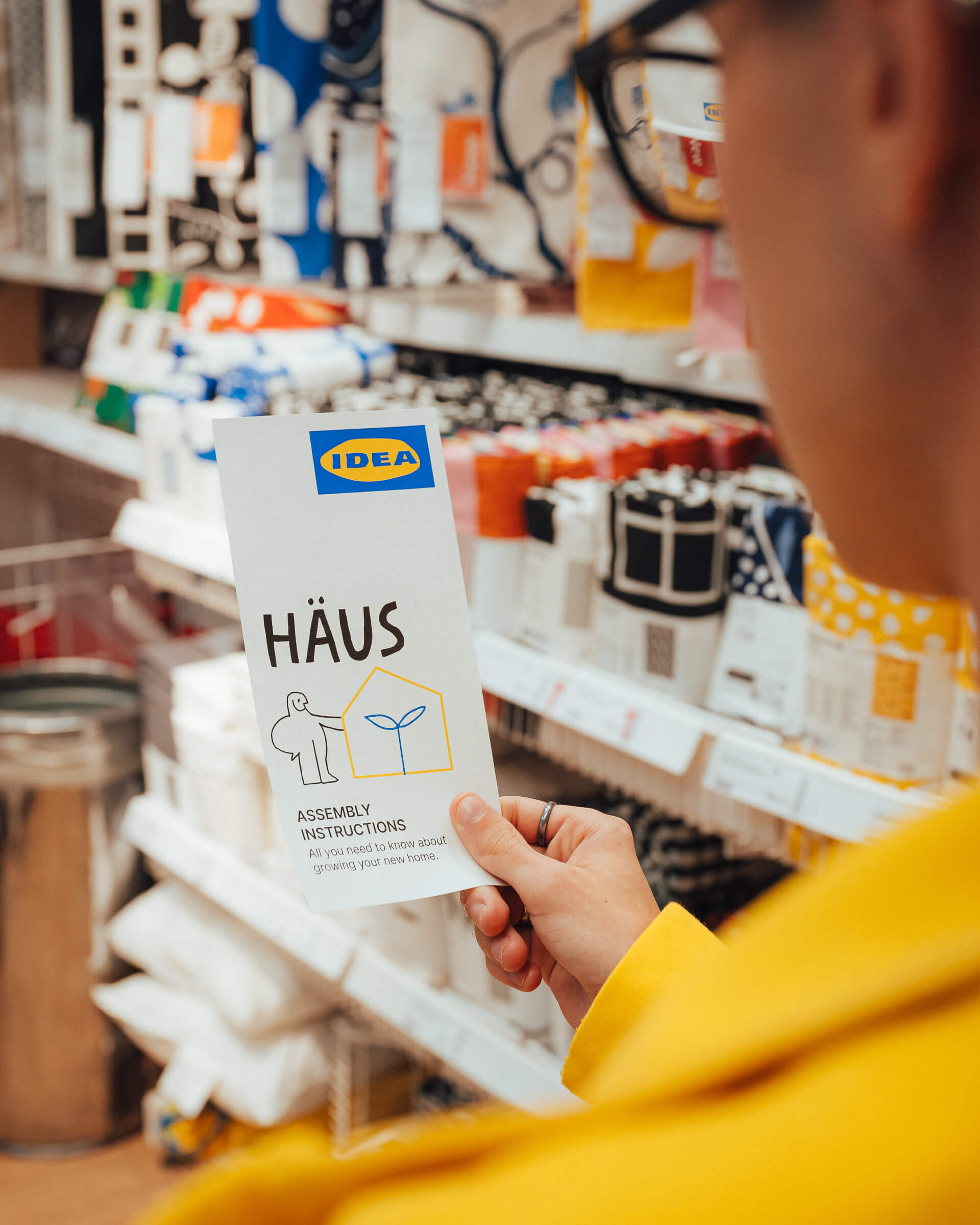
Grow Your Own Home
This instructional booklet from 2100 imagines houses grown like plants, inspired by advances in plant engineering and synthetic biology that allow trees to grow into pre-designed architectural forms. Instead of building with cut timber, homes could be alive, self-healing structures shaped by genetically programmed growth patterns - reducing reliance on carbon-intensive materials like cement and steel. Building with living materials could transform cities into forests, restore natural habitats, and increase biodiversity while providing shelter.
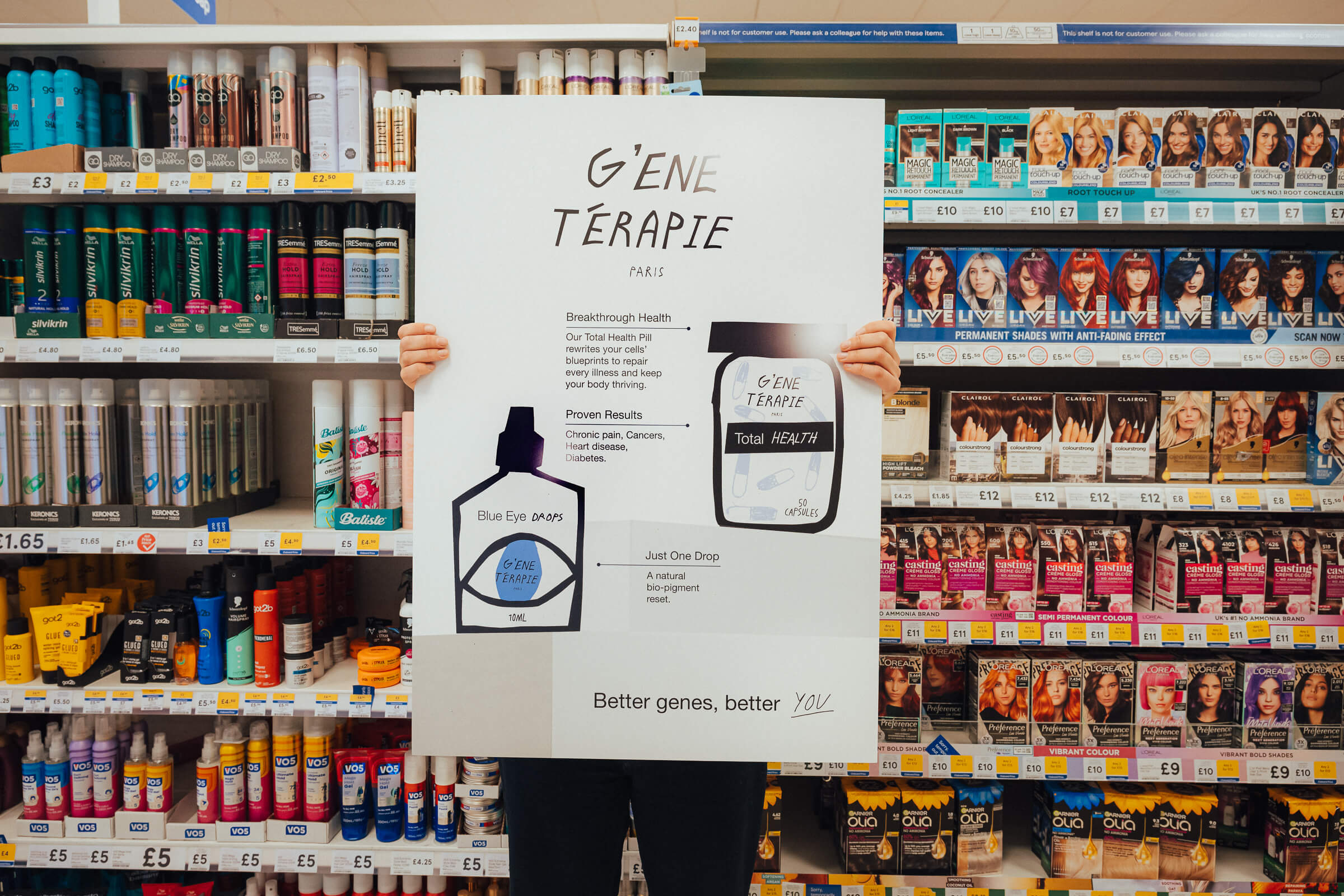
Gene Therapies
This advert envisions a future where gene editing becomes a normalised part of daily life, expanding beyond medical treatments into self-care, beauty, and wellness products. While current gene editin- mostly performed ex vivo with tools like CRISPR - has shown promise in treating diseases like sickle cell anemia, widespread adult gene therapy remains decades away and faces significant scientific, ethical, and societal challenges. Gene editing holds immense medical potential, including curing genetic diseases and possibly impacting ageing, but raises concerns about equity, access, and social pressure to conform. As the technology evolves, we must carefully consider whether these advances will empower personal freedom or reinforce societal expectations.
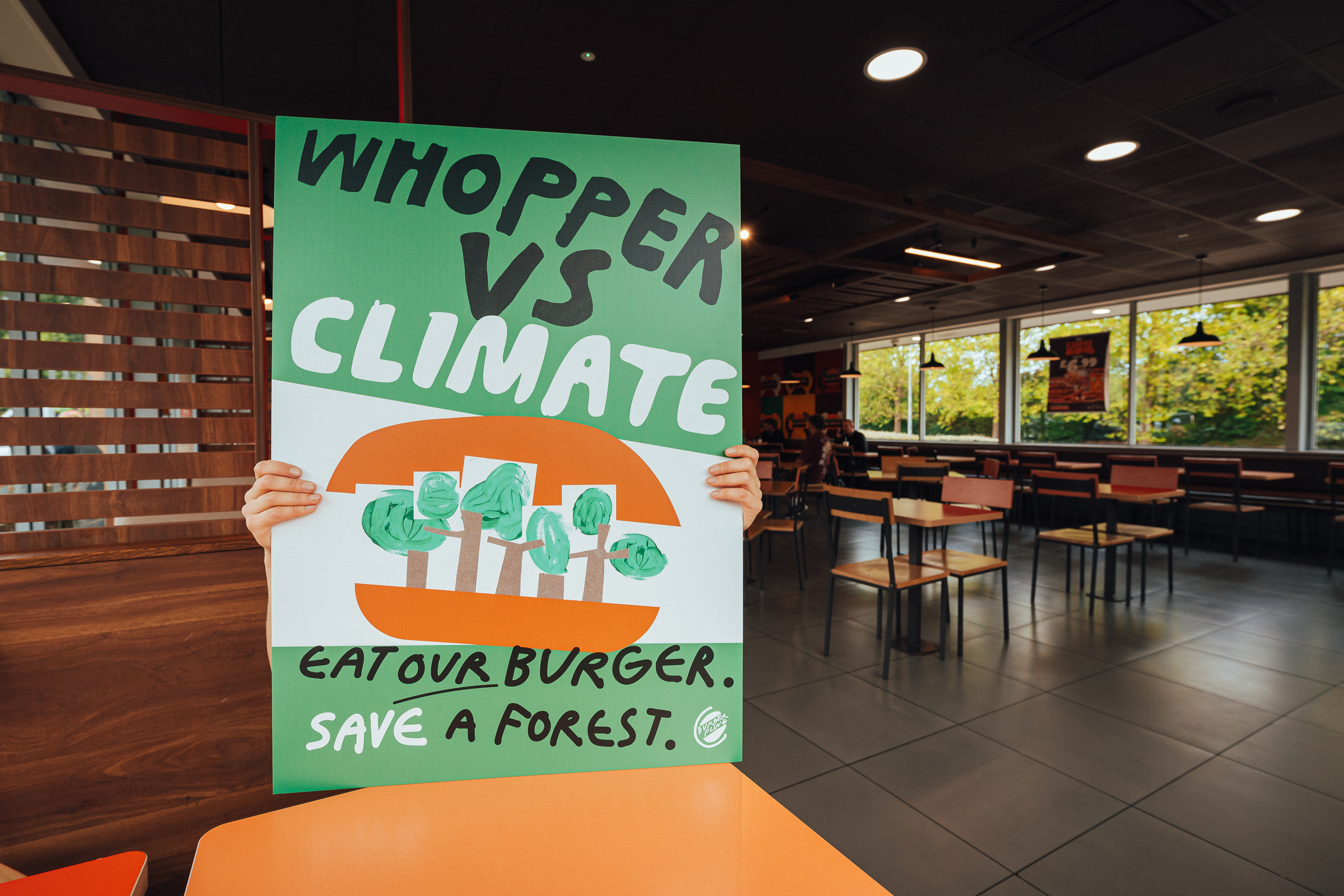
Cultivated Meat
By 2030, cultivated meat - grown in bioreactors without raising livestock - is poised to offer a sustainable alternative to traditional beef, as showcased by the “Whopper vs Climate” campaign. Companies like Vow Food and Meatly are already selling cultivated meat products, which use significantly less land and water, reduce greenhouse gas emissions, and could help restore forests by reducing the need for intensive livestock farming. If costs come down and taste meets expectations, cultivated meat could become a mainstream, climate-friendly choice that also offers improved nutrition.
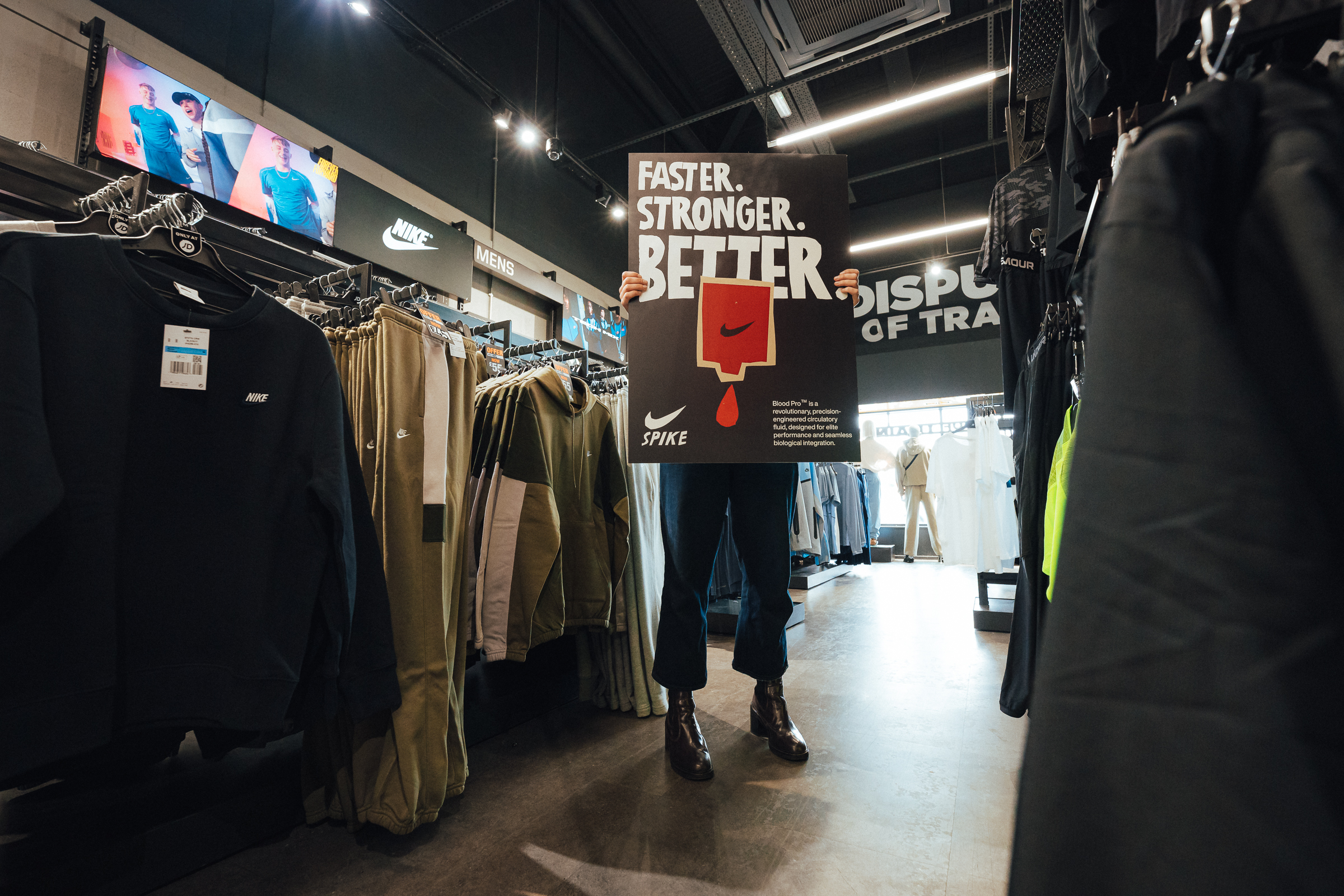 Bio-enhanced Blood
 This advert for "Blood Pro" imagines a future where biotechnology enhances the body far beyond natural limits - upgrading red blood cells to boost speed, endurance, and recovery, with no harmful side effects.
While marketed to athletes, such technology could also appeal to military organisations, hinting at origins in defence research like DARPA’s “Smart-Red Blood Cell” programme. Real-world advances, including lab-grown blood and synthetic oxygen carriers, are already transforming transfusion medicine and drug delivery. As these innovations blur the line between healing and enhancement, they raise urgent ethical questions: Who gets access? Should enhancements like Blood Pro be regulated, and would users still qualify for fair competition? As we gain more control over our biology, we must carefully consider the kind of future we want to build.
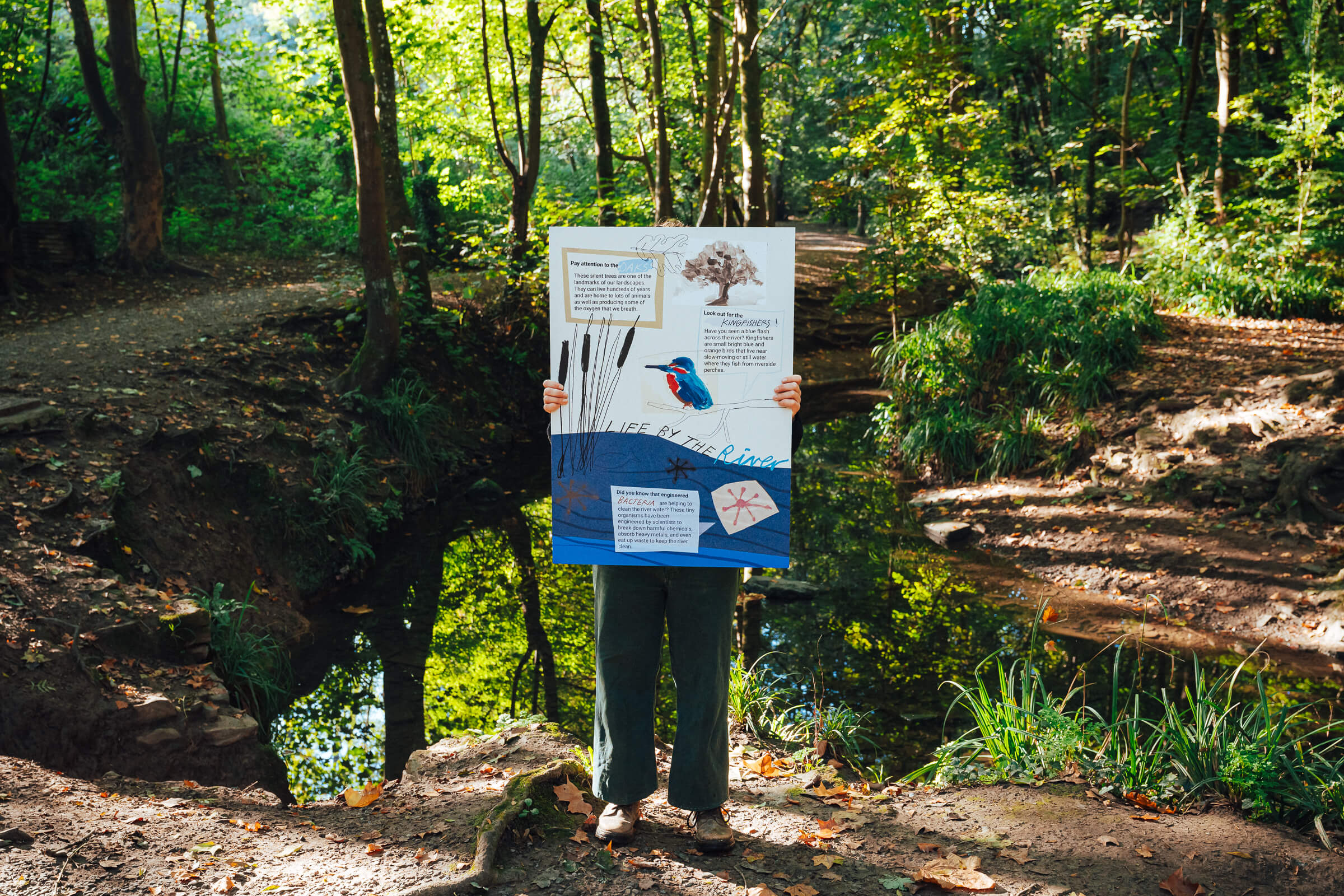 Cleaning our Rivers with Living Filters
Set beside a quiet river, this poster imagines a mid-2040s future where engineered microbes help keep waterways clean, breaking down pollutants while wildlife such as kingfishers return to restored ecosystems. Inspired by current research into bacteria that digest toxins and signal contamination, this vision suggests low-energy, biodiversity-friendly water treatment. Yet it also raises questions about ecological risks, containment, and who decides how far we should go in redesigning nature.